

The Heavy Cost of High Water Content
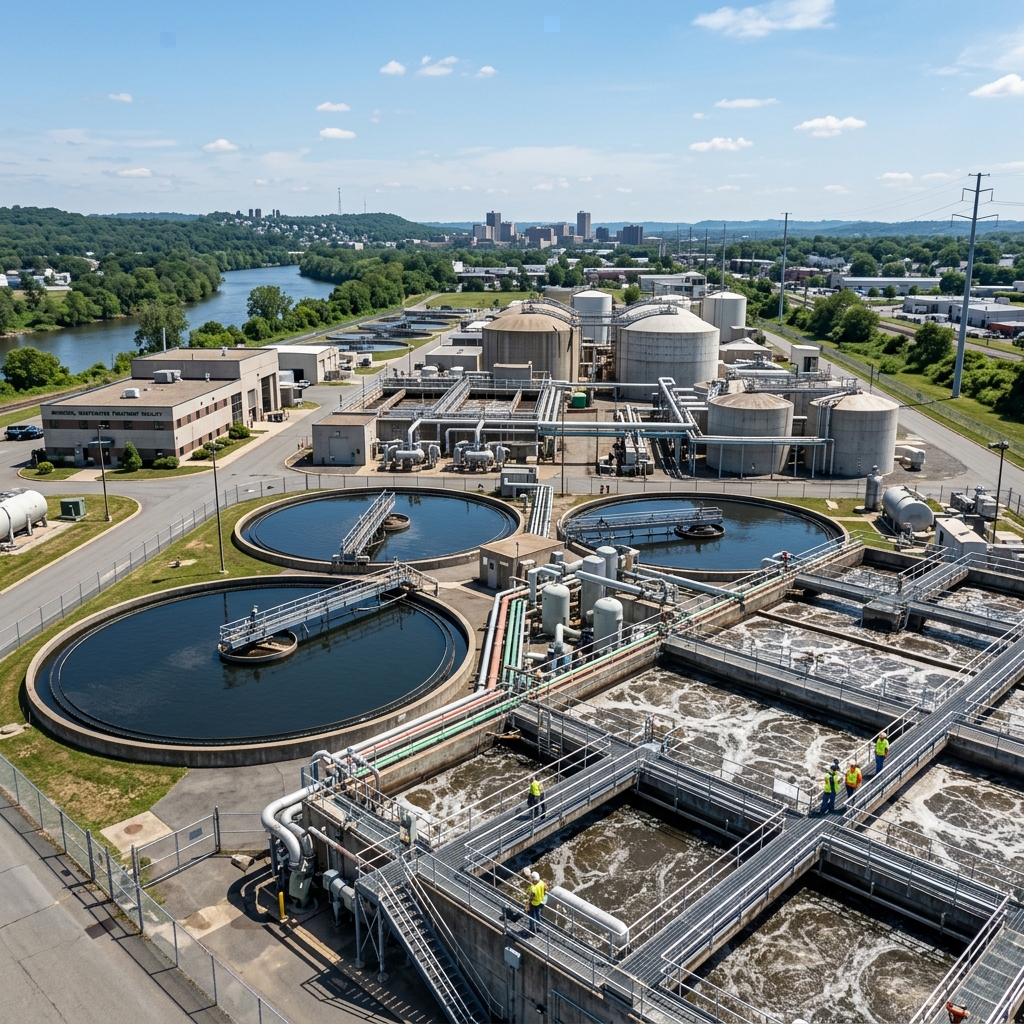
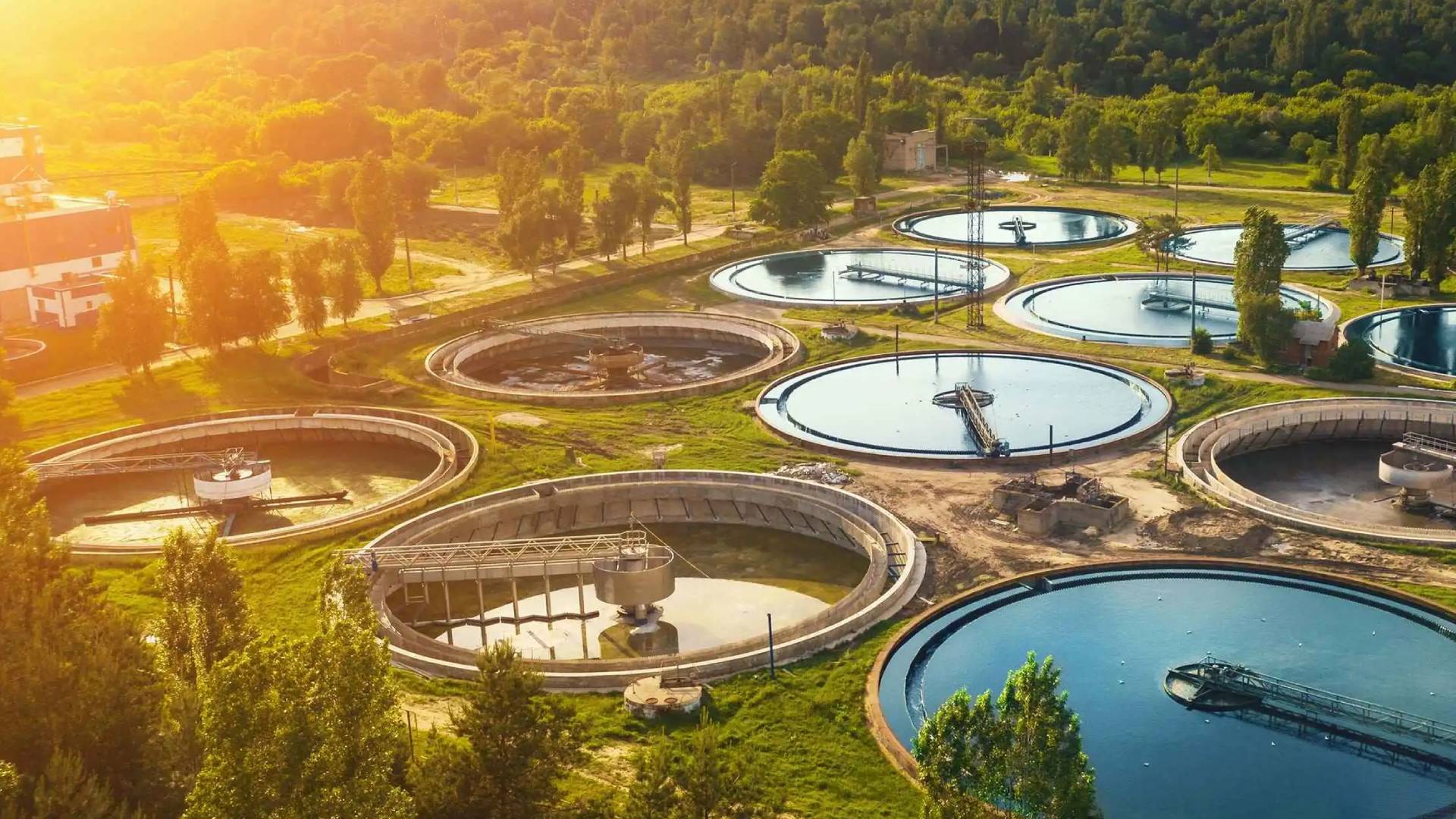
In wastewater treatment, managing the biological and chemical sludge produced during the process is notoriously expensive. Because sludge is primarily water, transporting it off-site for disposal means facilities are essentially paying to haul water.
Effective sludge dewatering is critical for reducing the volume and weight of biosolids, drastically cutting transportation and landfill tipping fees.
Maximizing Cake Dryness
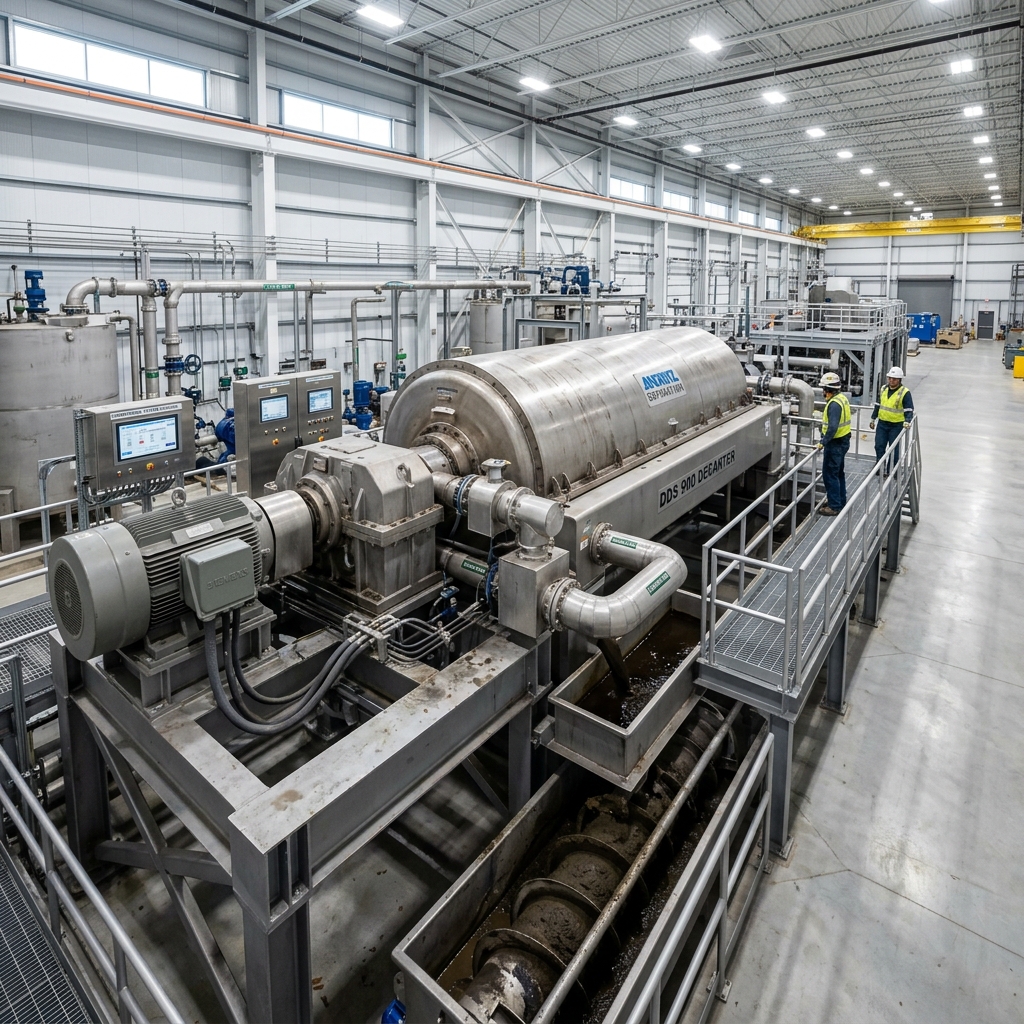
Modern dewatering technologies, such as high-torque decanter centrifuges, belt filter presses, and screw presses, are designed to maximize cake dryness. Centrifuges use intense centrifugal force to separate water from solids, producing a dry, stackable cake while operating continuously in a small footprint.
When paired with optimized polymer dosing systems, these machines achieve exceptional capture rates and moisture reduction. Investing in high-performance dewatering equipment yields a rapid return on investment by slashing recurring disposal costs and unlocking the potential for beneficial reuse of biosolids in agriculture.