Moving Away from Chemical Disinfection
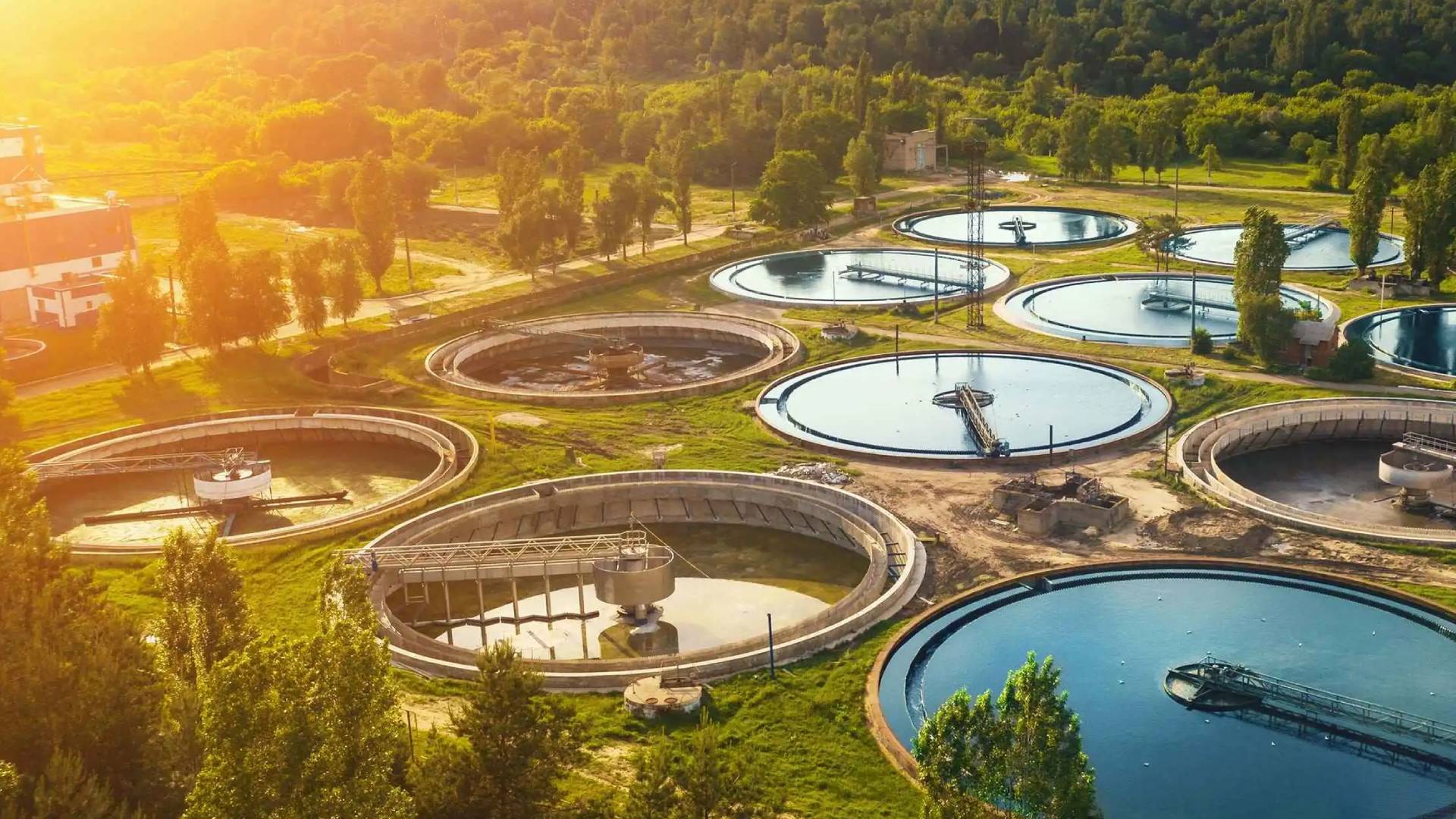
For decades, chlorine was the standard method for disinfecting wastewater effluent. However, chlorination presents significant challenges: it requires the storage and handling of hazardous chemicals, and it can produce harmful disinfection byproducts (DBPs) that threaten aquatic life in receiving waters.
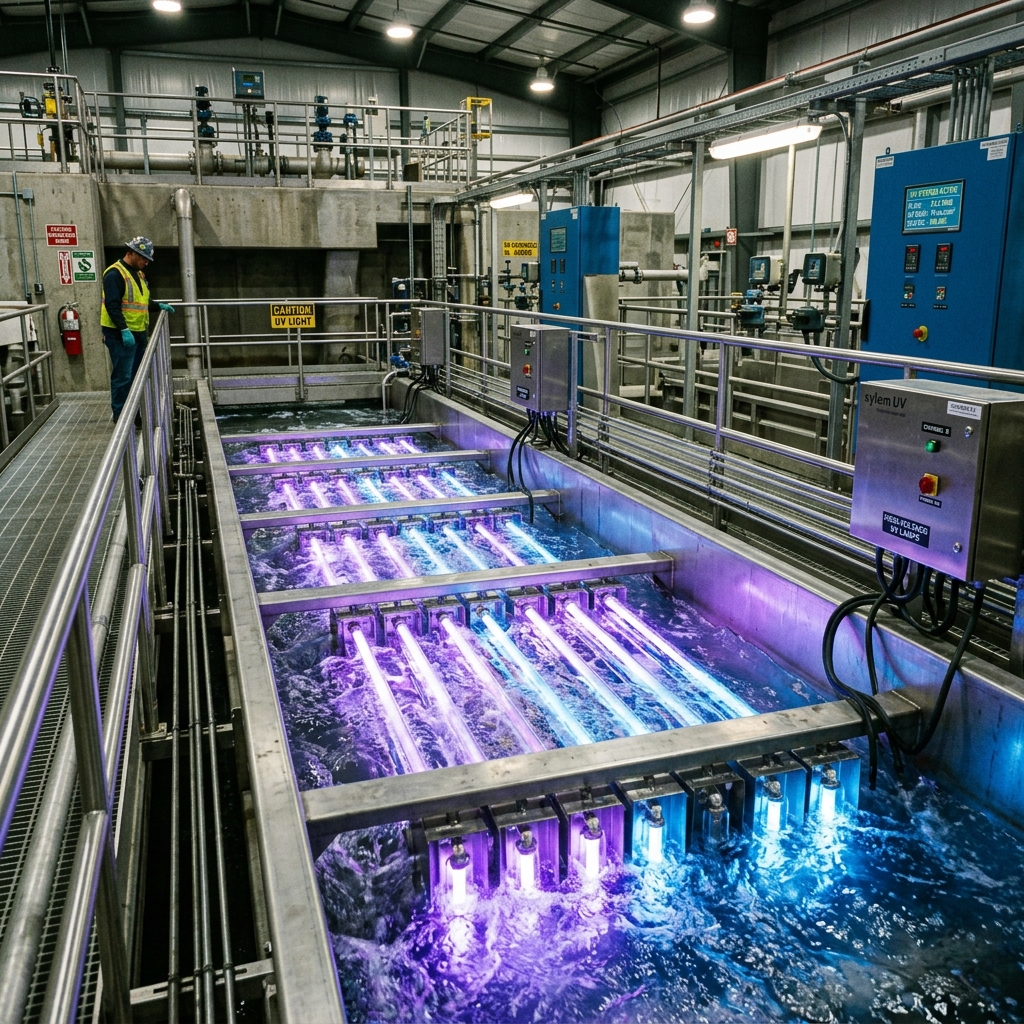
Ultraviolet (UV) disinfection has emerged as the premier, eco-friendly alternative. By exposing wastewater to high-intensity UV light, the DNA of bacteria, viruses, and protozoa is instantly neutralized, rendering them unable to replicate.
Advancements in UV Technology
Next-generation UV systems utilize high-output, low-pressure amalgam lamps that provide maximum germicidal efficiency with significantly lower energy consumption. Modern UV channels are equipped with automatic mechanical wipers that prevent fouling and scaling on the quartz sleeves, ensuring consistent light transmittance without manual cleaning.
By implementing UV disinfection, facilities eliminate the need for costly dechlorination processes, improve workplace safety, and ensure that the effluent discharged into rivers and streams is completely free of toxic chemical residues.