




The Carbon Footprint of Water
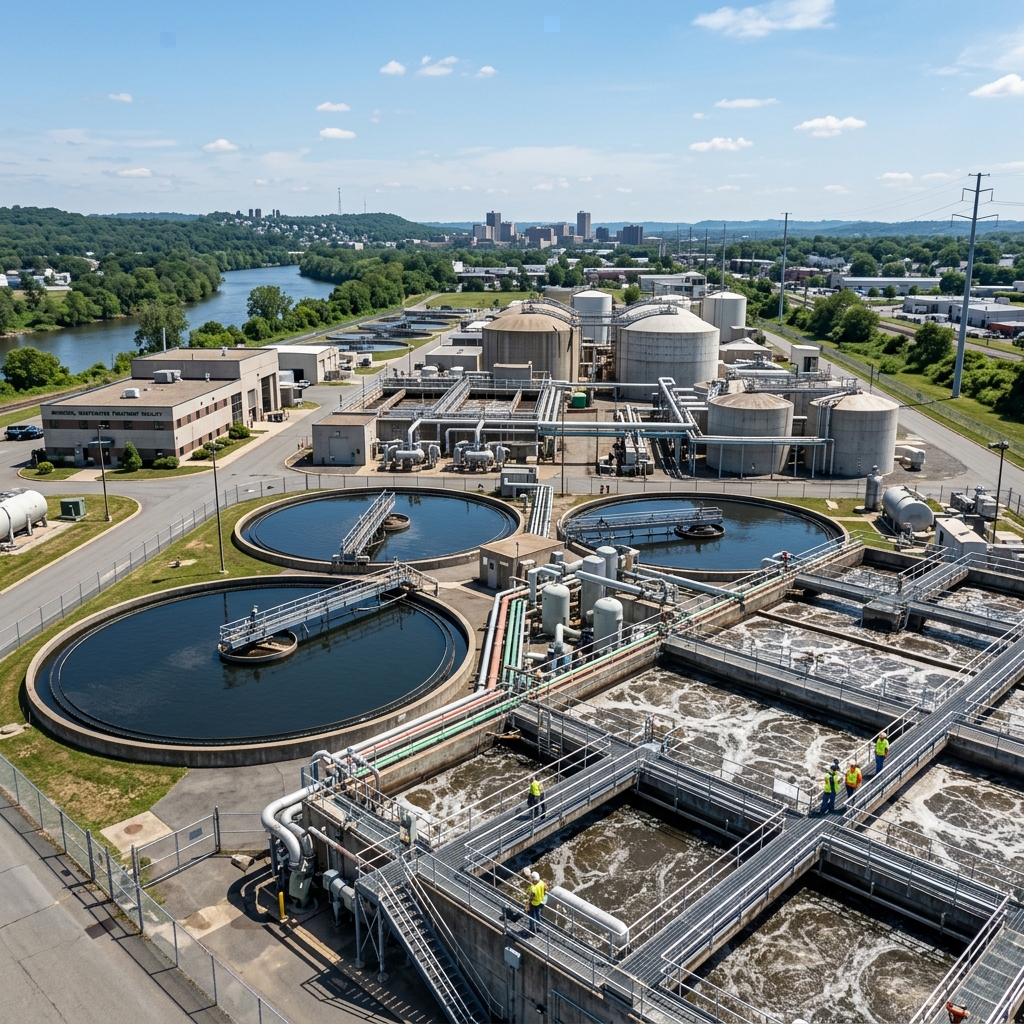
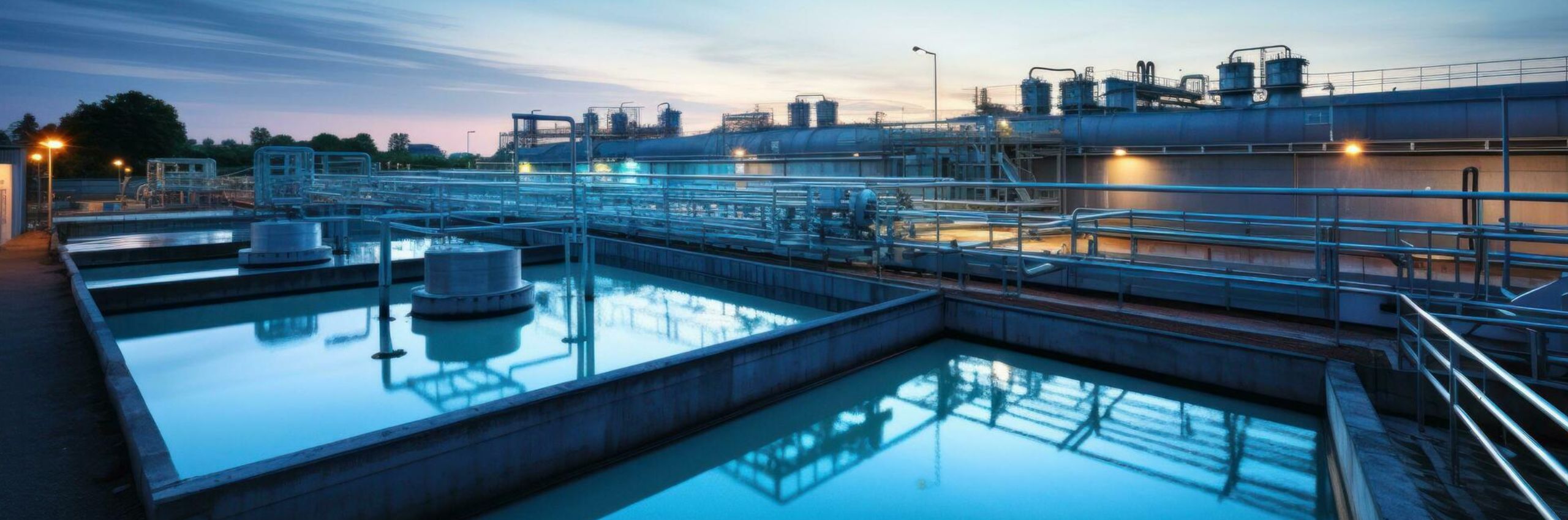
The water and wastewater sector accounts for roughly 2-3% of global electricity consumption. Pumping water across vast distances and heavily aerating biological treatment basins requires immense power, generating a substantial carbon footprint.
As governments and municipalities commit to aggressive climate goals, the water sector is rapidly pivoting toward decarbonization and the pursuit of net-zero emissions.
Strategies for a Sustainable Future
Achieving net-zero requires a multi-pronged approach. First, facilities are fiercely optimizing energy efficiency through VFDs, high-efficiency blowers, and smart SCADA controls that minimize wasted power.
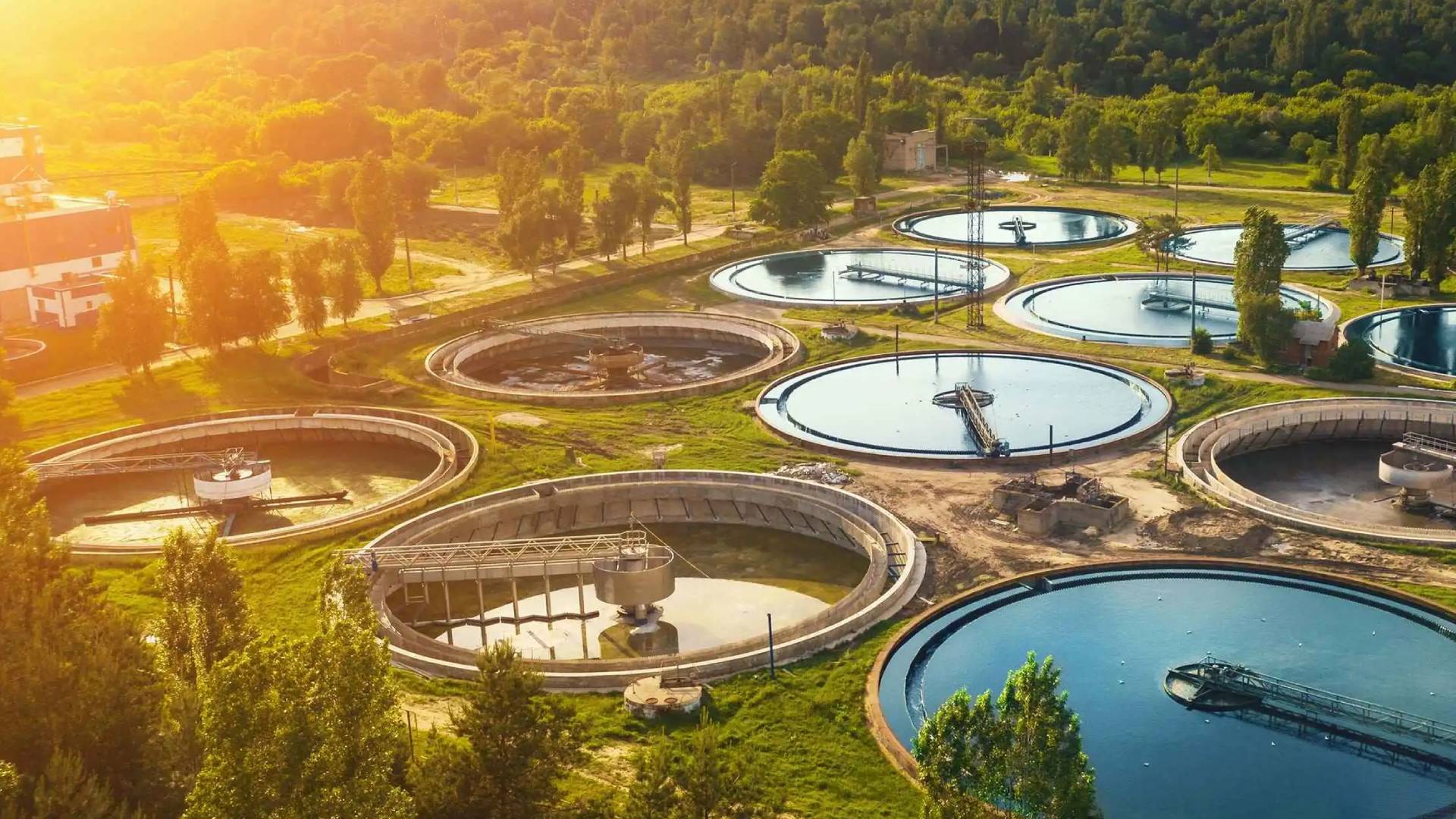
Second, plants are transforming into energy producers. By capturing the methane-rich biogas generated during anaerobic digestion, facilities can fuel combined heat and power (CHP) engines to generate their own electricity on-site. When combined with solar panel arrays covering clarifiers and open spaces, many modern wastewater plants are not only reaching energy neutrality but actually pushing surplus green energy back onto the grid.