

The Crisis Underground
Across the country, municipalities are grappling with a hidden crisis: aging underground infrastructure. Decades-old concrete and clay pipes are cracking, corroding, and collapsing, leading to severe inflow and infiltration (I&I) issues. The traditional solution—digging up streets to replace pipes—is prohibitively expensive, disruptive to traffic, and harmful to the environment.
Trenchless rehabilitation has emerged as the definitive solution for modernizing failing collection systems without the need for massive excavation.
CIPP and Slip Lining Technologies
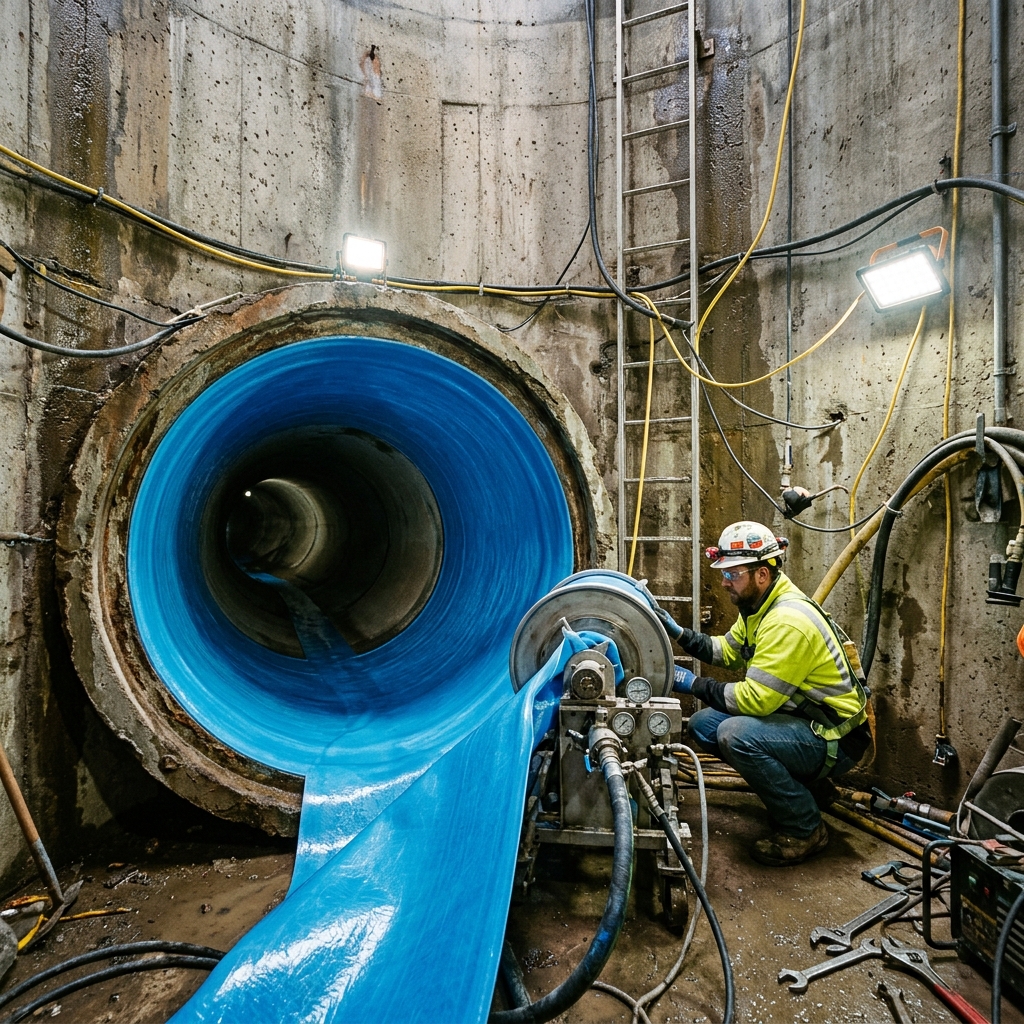
Methods such as Cured-in-Place Pipe (CIPP) and slip lining allow contractors to create a "pipe within a pipe." In CIPP, a resin-saturated felt tube is inverted into the damaged pipe and cured using hot water, steam, or UV light, forming a seamless, structural liner that seals cracks and prevents root intrusion.
Trenchless technologies restore structural integrity, improve flow capacity by reducing friction, and extend the lifespan of the asset by 50 years or more. For municipalities looking to maximize their infrastructure budgets, trenchless rehabilitation is the clear path forward.