
Protecting Waterways Through Nutrient Reduction
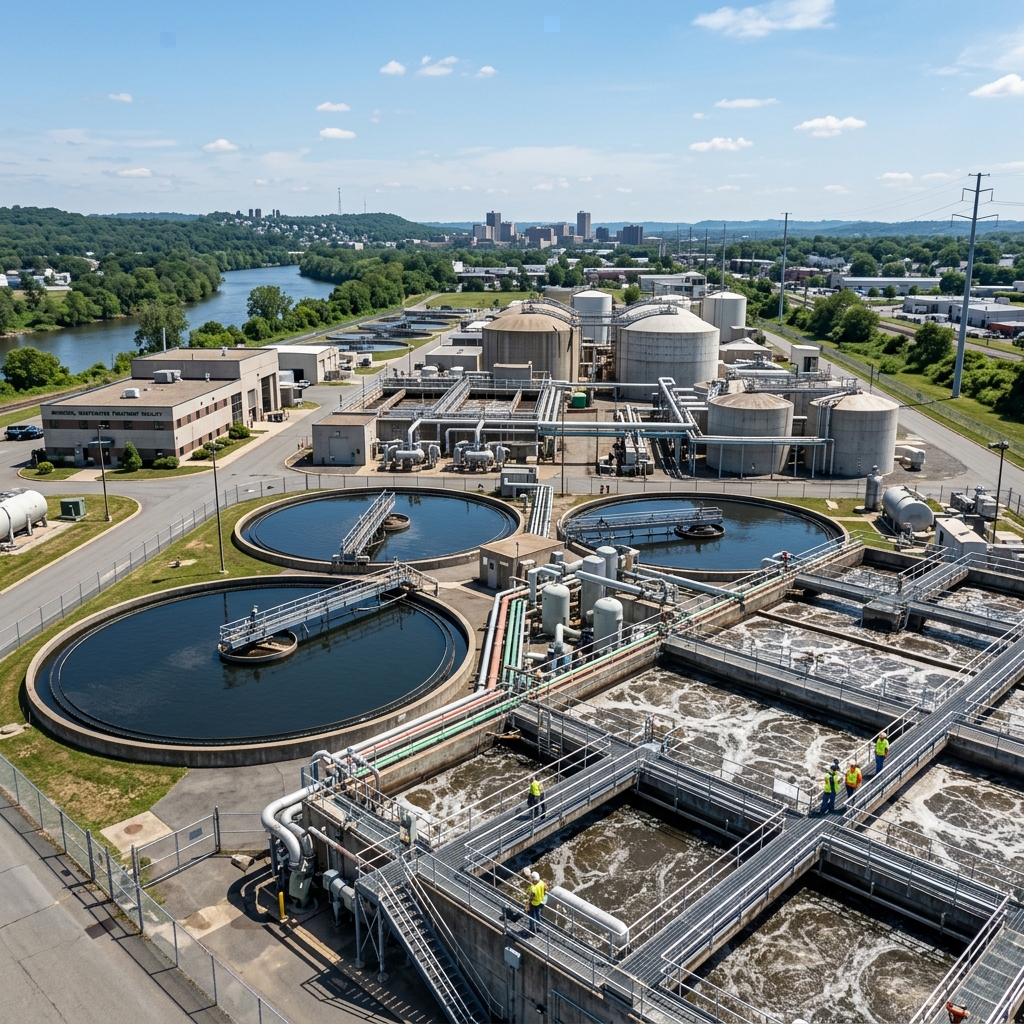
Excessive nitrogen and phosphorus in wastewater effluent lead to eutrophication—a process that depletes oxygen in receiving waters, causing harmful algal blooms and threatening aquatic life. To combat this, Biological Nutrient Removal (BNR) has become a standard requirement for modern treatment facilities.
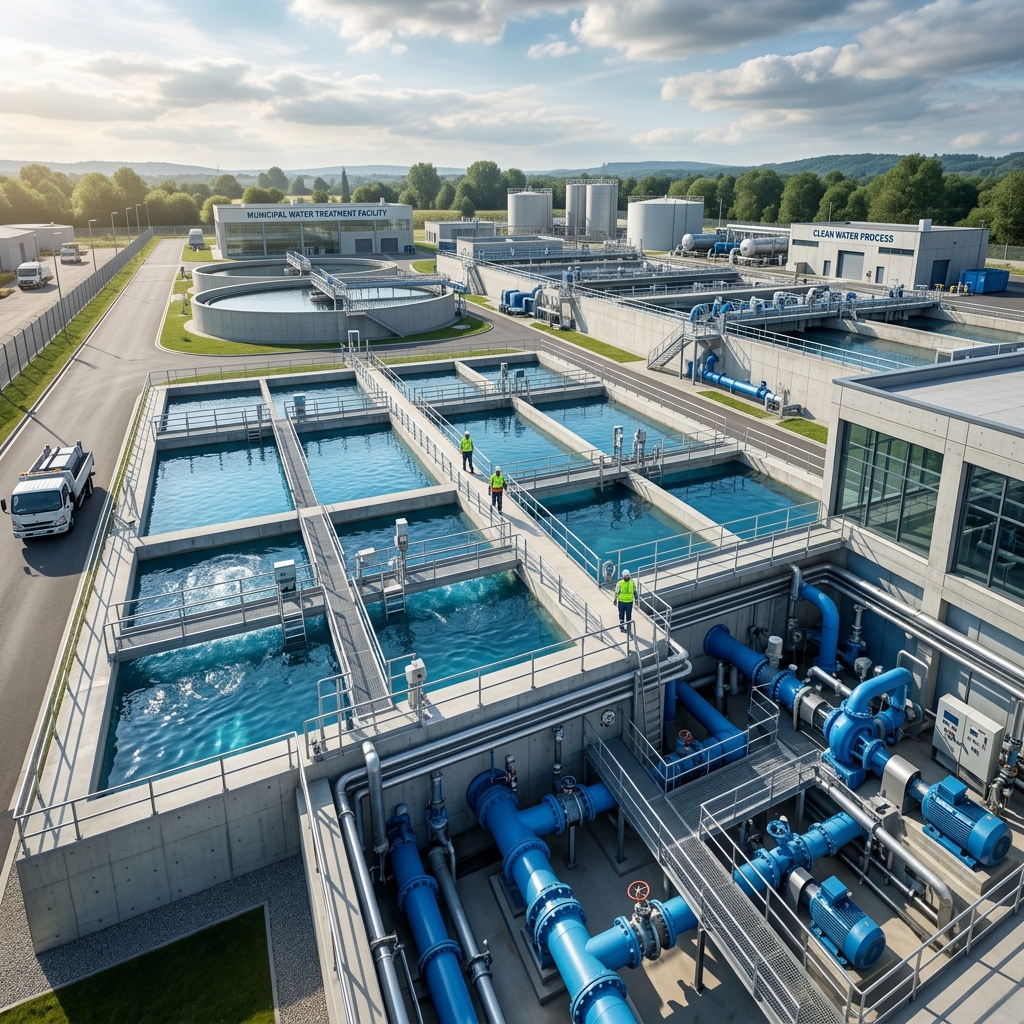
BNR relies on carefully cultivating specific microbial populations in aerobic, anoxic, and anaerobic zones. By managing the environment, operators encourage these microorganisms to consume and process nutrients out of the water naturally.
Next-Generation BNR Optimization
Recent advancements in BNR focus on process optimization and energy efficiency. Aeration accounts for a massive portion of a plant's energy consumption. By utilizing advanced dissolved oxygen (DO) sensors, ammonia-based aeration control (ABAC), and highly efficient fine-bubble diffusers, facilities can maintain optimal microbial health while slashing energy costs.
Additionally, innovations in internal mixed liquor recycle (IMLR) pumps provide the precise flow control needed to maintain distinct biological zones. Enhancing your BNR process not only ensures strict regulatory compliance but also significantly reduces the plant's carbon footprint.